

What Every Wine Lover
Should Know About Wine
Understanding and Choosing Wine
Wine has a way of exposing bluff. Anyone can memorise a few regions and repeatthem at the right moment, but real fluency in wine, the kind that lets you choosewell, comes from understanding a handful of fundamentals properly.
For captainsand crew responsible for a guest’s or owner’s wine on board, that fluency isn’t a partytrick.
It’s part of the service standard. This is Part 1 of a two-part series. Here, we cover what every genuine wine lovershould have a firm grip on before buying a single bottle. Part 2 looks at storing andserving wine on board a yacht.
Terroir matters more than the label
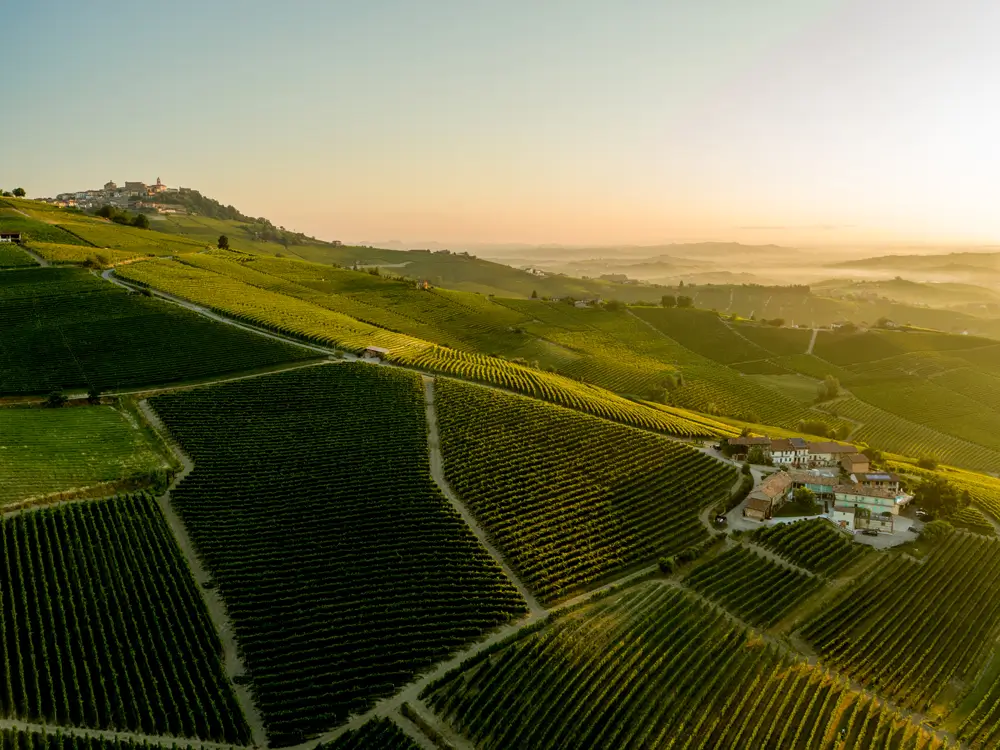
The single most useful concept in wine is terroir, the combination of soil, climate,altitude and exposure that gives a wine from one hillside a different character to awine made the same way a few kilometres away.
Two Chardonnays from Burgundy,one fromChablis and one from Meursault, will taste noticeably different not becauseof technique but because of where the grapes grew. Once you start tasting for terroirrather than for the name on the label, you stop being impressed by expensive bottlesthat taste flat and start recognising interesting wine at every price point.
Culture
This a Quote or a Testimonial or aGreat Statistic from a Client
Vintage is information, not decoration
The year on a bottle isn’t cosmetic. It tells you what the growing season was like a cool, wet vintage produces a different wine to a hot, dry one, even from the same producer and the same plot.
For guests requesting a specific vintage, or for building a cellar with any ambition, knowing which years performed well in a given region (and which didn’t) is the difference between a well-chosen bottle and a lucky guess
Structure over flavour notes
Fruit and flavour descriptors get most of the attention, but the wines that age well and pair well are built on structure: acidity, tannin, alcohol and sugar in balance. A wine lover who can identify high acidity or firm tannin on the palate, rather than just “fruity” or “dry” is equipped to predict how a wine will behave with food, with time in the glass, and with age in the cellar
Buy for the occasion, not the score
Critic scores are a useful filter, not a decision-making tool. A 95-point Napa Cabernetis the wrong choice for a light lunch on deck in the Mediterranean heat, however well it scored.
Matching the wine to the moment the food, the setting, the guests, is amore reliable skill than chasing scores, and it’s the skill that actually gets noticed.
Part 2 of this series covers what happens after the bottle is bought: how temperature, vibration, light and humidity affect wine on board, and how to provision and serve it at sea. At Global Wine Solutions, we work with captains and crew across London, the Côte d’Azur and Monaco to source and provision wine built for exactly these standards. If you’re building a wine list for a season or a specific charter, we’re happy to help.
